An Engineering Guide to Demystifying Joints, Weight Capacities, and Anti-Wobble Design in Premium Contract Furniture.
Structural Safety & Durability
An Engineering Guide to Demystifying Joints, Weight Capacities, and Anti-Wobble Design in Premium Contract Furniture.Written by Comfplus Furnishing June 28th,2026.
Joint Engineering
The Invisible Core of Chair Longevity
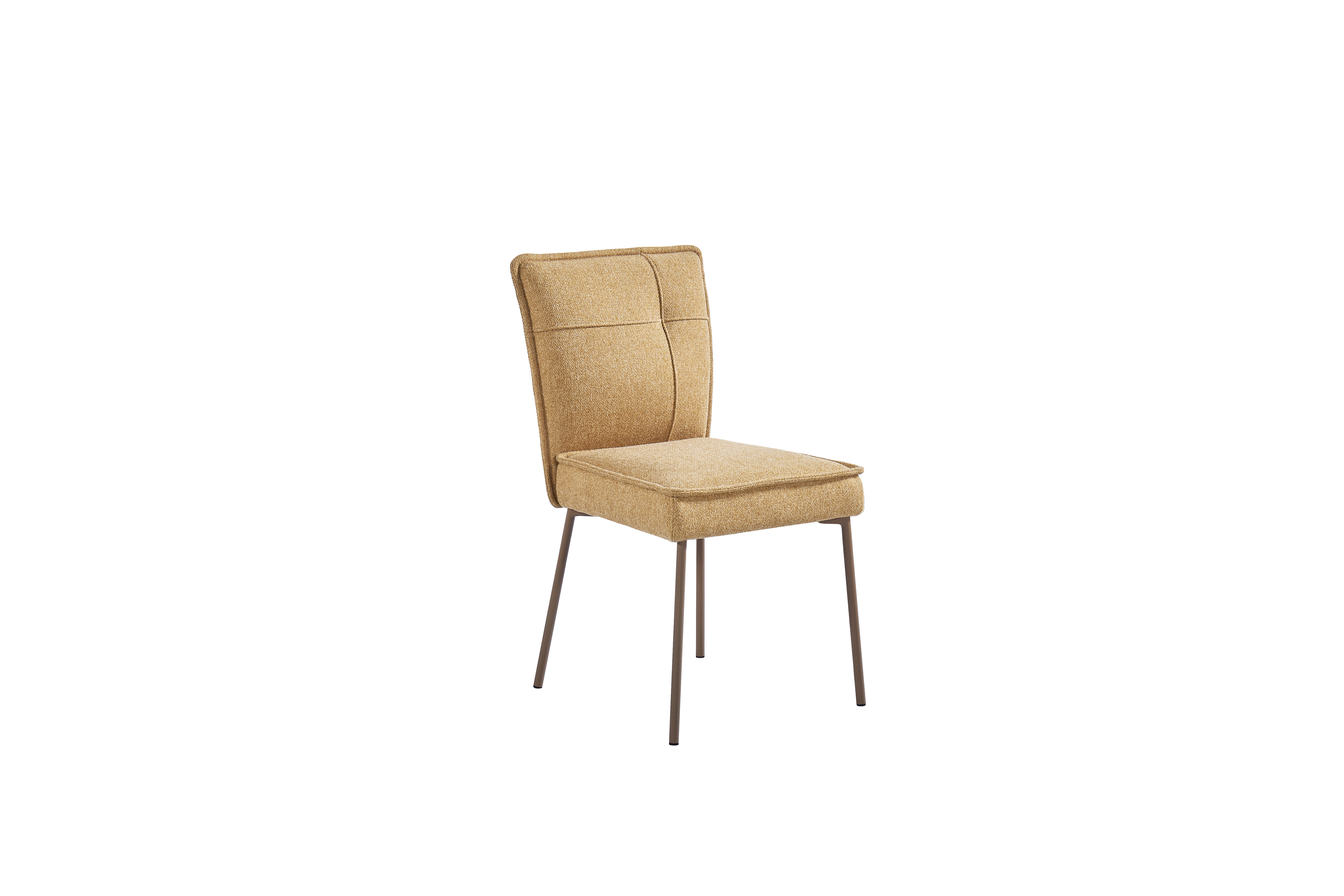
Furniture buyers prioritize structural joints above aesthetics. Premium dining and relax chairs
bypass simple screws to employ masterfully engineered load-bearing connections.
Mortise & Tenon Joints: Wood fits into wood securely, preventing axial twisting.
Reinforced Corner Blocks: Glue-and-screw diagonal supports guard joints against racking stress.
Robot-Welded Frames: For metal Seating, robotic MIG/TIG welding guarantees micro-fused seam alignment without air pockets.
Engineering Stable Tables
Preventing Warping & Top-Heavy Tipping
Dining tables and coffee tables carry massive loads. Natural solid wood expands dynamically with changes in climate, and unsupported designs inevitably bow or tilt.
Structural Tension Rails: Under-table metallic rails allow wood to breath whilst maintaining a perfectly planar surface.
Engineered Mounting Geometry: Wide footprint mounting plates redirect cantilevered forces directly down to the ground core.
Anti-Tip Base Balancing: Precise centers-of-gravity are calculated so coffee and dining tables withstand horizontal lateral impacts without tipping.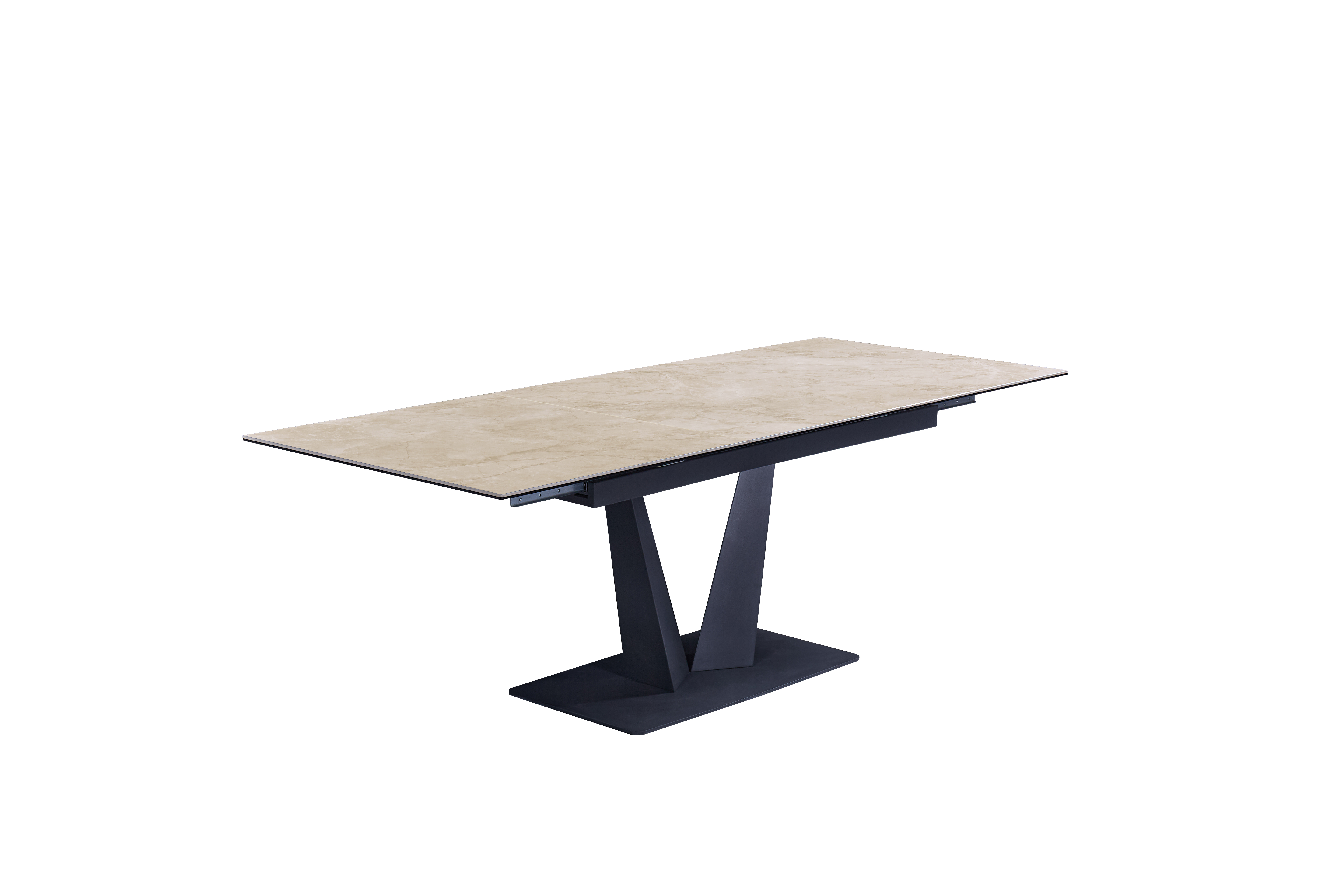
Relax Chair Ergonomics
Dynamic Weight Distribution in Lounge Seating
Relax and accent chairs encourage deep reclining. Because the user’s center of mass moves rearwards, the structural leverage demands strict calculations to avoid mechanical collapse.
Recline Torque Management: Robust steel backrest-brackets leverage high-yield alloy material to flex without cracking.
Chassis Stability Center: Low-profile bases distribute bodyweight horizontally across broad radial planes to stabilize deep seat movements.
Heavy-Duty Seat Ribbing: Dual-layer webbed seating bands with thick coil springs prevent foam compression failures under sudden drops.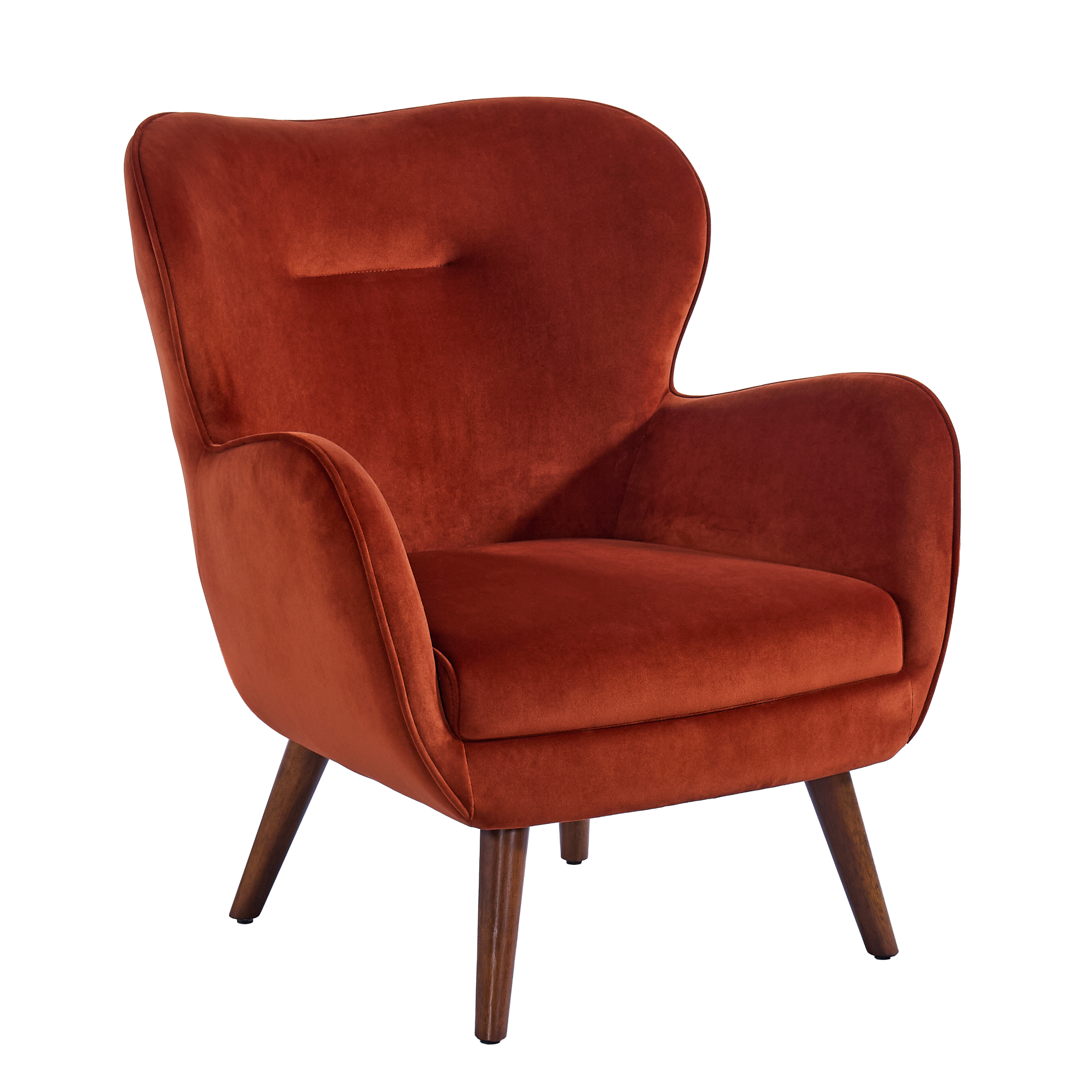 Global Furniture StandardsEN 12520 StandardThe European Benchmark for Domestic Seating. Focuses heavily on user safety, structural integrity, and durability metrics under domestic environments.
Load Threshold: Tested up to 110 kg (approx 242 lbs) for continuous cycle stability.
Dynamic Seat Test: 25,000 cyclical impacts simulation on the structural cushions.
Edge Deflection: Ensuring side joints resist structural splay and failure during unbalanced seating.
BIFMA / ANSI x5.4
The Commercial Grade Standard. Built to certify furniture exposed to heavy public usage in hotels, restaurants, and active office environments.
Extreme Load Test: Drop tests certifying structures survive loads exceeding 300 lbs.
Fatigue Lifecycles: Dynamic backrest and seat frame tests running continuously for over 100,000 cycles.
Pull Strength: Armrest lateral pull resilience testing to withstand heavy leverage stresses.
Validated Performance
Scientific QC: Replicating 10 Years of Active Wear
Elite suppliers do not guess structural integrity. In modern factory testing laboratories, furniture is subjected to pneumatic impact machines that apply relentless mechanical stresses on joints, backrests, and glide tips.

Written by Comfplus Furnishing https://comfplusfurnishing.com/
 Global Furniture Standards


